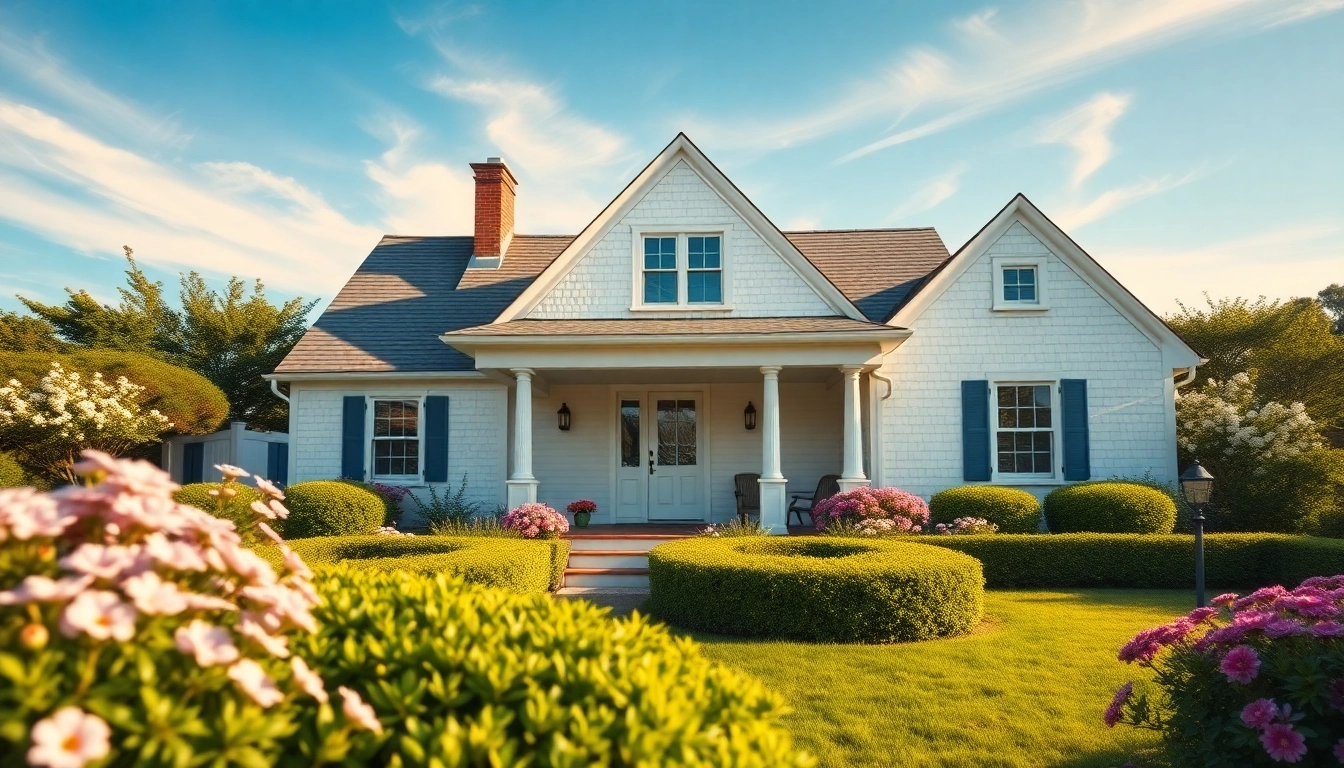
Understanding Cape Cod Home Characteristics
The cape cod home style of architecture has a distinct charm that dates back to the early 17th century. Originally developed by early settlers in Massachusetts, these homes were designed to withstand the harsh coastal climate. Each aspect of a Cape Cod home reflects practicality and aesthetics, creating a unique blend that continues to captivate homeowners and designers alike.
Elegance of Cape Cod Architecture
At the heart of Cape Cod architecture lies a simplicity that exudes elegance. Characterized by their symmetrical facades, steeply pitched roofs, and dormer windows, these homes retain a classic appeal that resonates with many. The traditional use of wood siding painted in muted tones enhances their timeless quality. This architectural style not only offers visual appeal but also serves a functional purpose—steep roofs help prevent snow accumulation and facilitate drainage during rainstorms.
Common Features of Cape Cod Homes
Several key features define Cape Cod homes, setting them apart from other architectural styles:
- Symmetrical Design: The layout is typically centered around a front door with equal window spacing on both sides.
- Steep Roofs: The steep gabled roof is a signature element that not only adds to the aesthetic but improves durability.
- Dormer Windows: These windows provide natural light and space without expanding the building’s footprint, a clever use of vertical space.
- Chimneys: Positioned centrally, they add character and allow for balanced heating throughout the home.
- Natural Materials: Commonly crafted from cedar shingles, these materials are chosen for their weather resistance and aesthetic qualities.
Influence of Coastal Environment
The coastal environment profoundly influences the design and material choice of Cape Cod homes. Being built near the shoreline, these homes are expertly crafted to handle high winds, salt spray, and fluctuating temperatures. The use of durable materials like shingles and their elevated structures helps protect them against flooding and erosion. The colors chosen for these homes often mimic the surrounding landscape—soft blues, sandy beiges, and gentle greens—that blend seamlessly with the natural beauty of coastal living.
Benefits of Expanding a Cape Cod Home
While many homeowners are drawn to the traditional charm of Cape Cod homes, an expansion can unlock additional benefits. Whether for increasing living space or enhancing property value, expanding a Cape Cod home can be a strategic decision.
Increased Living Space
An expansion can bring needed space for growing families, guests, or new activities, such as hobbies or home offices. Traditional Cape Cod homes are often compact, which can feel limiting over time. By adding square footage, homeowners can enjoy versatile spaces—a larger kitchen, an extra bedroom, or a playroom—where the entire family can gather comfortably.
Boosting Property Value
Real estate has a well-documented association between home size and value. Expanding a Cape Cod home not only improves functionality but also adds financial value, making it a worthwhile investment. Well-planned expansions that enhance the cohesiveness of the original design can significantly increase curb appeal and resale value, making the property more attractive to buyers.
Catering to Modern Lifestyles
Modern lifestyles often demand open layouts and multifunctional spaces. A traditional Cape Cod home might include narrow hallways and segmented rooms that don’t align with contemporary preferences. Expanding a home allows for the integration of open-concept designs, better kitchen flow, and adaptable spaces that cater to young families and remote workers alike. Such renovations can modernize the home while preserving its historical essence.
Design Ideas for Your Cape Cod Home
Transforming a Cape Cod home involves more than just physical expansion; it also requires thoughtful design choices that celebrate its uniqueness while modernizing its features.
Choosing the Right Color Schemes
Color plays a significant role in enhancing the beauty of a Cape Cod home. Soft and coastal-inspired palettes are popular choices, emphasizing tranquility and elegance. Light hues like sandy whites, soft blues, and muted greens create a serene backdrop against the natural environment. Homeowners may consider brighter accent colors for doorways or shutters to add a touch of vibrancy without overwhelming the classical aesthetic.
Integrating Outdoor Spaces
Given the coastal location of many Cape Cod homes, outdoor spaces should be carefully considered to extend living areas into nature. Expansions can include features like wide porches, outdoor kitchens, and landscaped backyards that encourage family gatherings or relaxation while enjoying views of the ocean. Incorporating elements such as patios equipped with comfortable seating options creates an inviting atmosphere, perfect for outdoor living.
Seasonal Decor Tips
Seasonal decoration can breathe new life into any home. For Cape Cod homes, incorporating nautical themes aligns beautifully with the coastal charm. In summer, light and breezy fabrics, marine-inspired colors, and indoor plants can enhance the vibrant atmosphere. As fall arrives, richer tones of orange, deep red, and cozy blankets can make the space feel warm and inviting. Winter decorations might embrace the traditional with elements of evergreen and soft lighting paired with a cozy fireplace, while spring can introduce floral motifs and fresh greens.
Strategies for a Successful Home Renovation
Embarking on a renovation for your Cape Cod home can be a rewarding journey, provided it is approached with careful planning and execution.
Creating a Renovation Plan
A successful renovation hinges on a well-defined plan. Start by identifying your needs—do you need more living space, updated interiors, or improved outdoor areas? Once you understand your goals, prioritize them and create a realistic timeline and budget. Research local building regulations and zoning laws to avoid unexpected complications later. It might be worthwhile to consult with an architect or designer with experience in Cape Cod homes to ensure that your vision aligns with the architectural integrity of the style.
Selecting the Right Materials
The materials used in your renovation matter significantly, particularly regarding durability and insulation, which can enhance home efficiency. Opt for materials that not only reflect the traditional aesthetic—like wood, stone, and high-quality insulation—but also withstand the coastal climate. When possible, use sustainable materials that contribute to energy efficiency while maintaining the classic look associated with Cape Cod homes.
Hiring Professionals for Your Project
Although DIY projects can be tempting, hiring professionals can ensure quality work and adherence to local building regulations. Look for contractors who specialize in renovations of Cape Cod homes—they will be familiar with the style’s nuances and have experience in overcoming common renovation challenges. Reviewing previous work and checking references is always a prudent step before making a hiring decision.
Frequently Asked Questions
What defines a Cape Cod home?
A Cape Cod home is typically one or one-and-a-half stories, featuring steep roofs, dormers, and symmetrical facades, reflecting a balance of functionality and charm.
How can I renovate my Cape Cod home?
Consider expanding your space with a well-thought-out addition, modernizing interiors, or enhancing exterior features—all while keeping the traditional aesthetic intact.
What are the costs associated with renovations?
Renovation costs vary based on project scale, chosen materials, and labor needs; thorough budget planning and obtaining multiple quotes can mitigate unexpected expenses.
Are Cape Cod homes energy efficient?
Yes, updating insulation, windows, and HVAC systems can greatly improve the energy efficiency of Cape Cod homes, making them more comfortable and reducing utility bills.
What style complements Cape Cod architecture?
Coastal styles, rustic finishes, and minimalistic decor seamlessly enhance the aesthetic of Cape Cod homes and amplify their charm in a modern context.