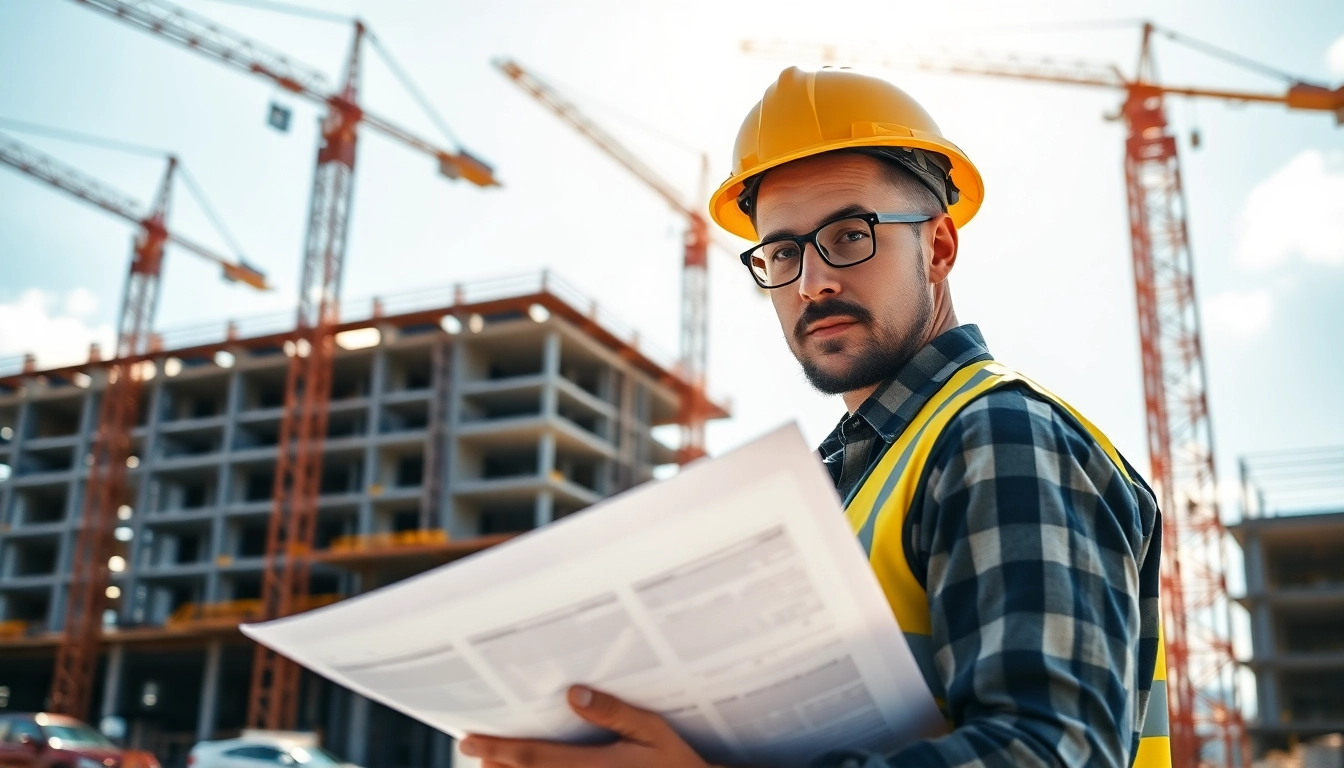
Understanding the Role of a Building Developer
Definition and Responsibilities of a Building Developer
A building developer is a professional responsible for overseeing the entire development process of buildings and real estate projects, from conception through to completion. This role encompasses various responsibilities, including site selection, project financing, navigating zoning regulations, and coordinating with contractors, architects, and city government bodies. The developer is often seen as the central figure in any construction project, making critical decisions that shape the success of developments.
Types of Projects Handled by Building Developers
Building developers engage in a diverse array of projects, which can be broadly categorized into:
- Residential Developments: This includes single-family homes, apartments, and condominiums.
- Commercial Developments: Projects like office buildings, shopping centers, and hotels fall under this category, focusing on generating revenue through leasing or selling spaces.
- Industrial Developments: Warehouses, distribution centers, and manufacturing plants are examples of industrial projects.
- Mixed-Use Developments: These projects combine residential, commercial, and sometimes industrial spaces, fostering vibrant community environments.
Importance of a Building Developer in Real Estate
The importance of building developers in real estate cannot be overstated. They act as a bridge between the ideation phase of a project and its physical execution, often bringing visionary concepts to life. Developers drive economic growth by creating housing, commercial spaces, and infrastructure, contributing to urban development and community revitalization. Furthermore, effective developers are skilled at assessing market needs, making them pivotal in addressing housing shortages and community demands.
Key Skills Required for a Building Developer
Project Management Skills for Building Developers
Effective project management is vital for a building developer. This entails not only ensuring that projects are completed on time and within budget but also coordinating various stakeholders throughout the project lifecycle. A developer must excel at planning, scheduling, and risk management to mitigate potential setbacks and maintain project momentum.
Financial Acumen as a Building Developer
Financial skills are crucial for building developers, who must handle project financing, manage budgets, and calculate return on investment (ROI). Understanding real estate market trends, cost estimation, and funding strategies enables developers to secure financing and ensure projects are economically viable. This financial acumen directly impacts their ability to make informed decisions throughout a project’s development.
Negotiation Skills for Building Developers
Building developers regularly negotiate contracts, land purchases, and terms with various stakeholders, including landowners, investors, contractors, and city officials. Strong negotiation skills are essential for maximizing project profitability and ensuring favorable terms. Effective negotiation not only impacts the financial outcomes but also fosters positive relationships that can be beneficial for future projects.
Steps to Become a Successful Building Developer
Educational Background for Aspiring Building Developers
While there is no definitive educational path to becoming a building developer, most successful individuals in this field hold bachelor’s degrees in relevant fields like real estate, finance, business, or urban planning. Some opt for advanced degrees, such as an MBA or a master’s in real estate development, which can significantly enhance their understanding of market dynamics and development processes.
Networking Strategies for Building Developers
Networking is a critical aspect of becoming a successful building developer. Building strong relationships with real estate professionals, contractors, architects, and local government representatives can lead to valuable partnerships and insights into upcoming opportunities. Attending industry conferences, joining relevant associations, and actively participating in local community meetings can expand a developer’s professional network significantly.
Gaining Experience in the Field as a Building Developer
Hands-on experience in construction or real estate is invaluable for aspiring building developers. Many start their careers in entry-level positions within development firms or construction companies, gradually taking on more responsibilities as they gain industry knowledge. Participating in internships or mentorship programs can provide practical insights and expand one’s professional skill set.
Challenges Faced by Building Developers
Market Fluctuations Affecting Building Developers
Building developers often face unpredictable market fluctuations that can impact project feasibility and profitability. Economic downturns can lead to decreased demand for new properties, while rising material and labor costs can squeeze margins. To navigate these fluctuations, developers must conduct thorough market research and be prepared to pivot their strategies when necessary.
Regulatory Issues Impacting Building Developers
Developers must also contend with a variety of regulatory challenges, including obtaining permits, adhering to zoning laws, and satisfying safety codes. Navigating this bureaucratic landscape can be time-consuming and complicated, often requiring collaboration with legal experts and local government officials to ensure compliance. Understanding the regulatory environment is a critical factor in the success of any development project.
Managing Risks as a Building Developer
Risk management is paramount in real estate development. Developers face numerous risks, from financial uncertainty to construction delays and material shortages. To mitigate these risks, effective developers implement comprehensive risk management strategies that include conducting detailed feasibility studies, maintaining contingency budgets, and establishing strong project timelines.
The Future of Building Developers in the Industry
Trends Influencing Building Developers
The landscape of real estate development is constantly evolving, with trends such as urbanization, remote work, and sustainability influencing the types of projects that developers pursue. Understanding these trends allows developers to make informed decisions on what types of properties will be in demand and where opportunities lie for future developments.
Technological Innovations for Building Developers
Technological advancements are transforming the real estate development process. Developers increasingly utilize building information modeling (BIM), virtual reality, and data analytics to improve project design and execution. By embracing these technologies, developers can enhance project efficiency, reduce costs, and improve overall project quality.
Sustainability Practices for Modern Building Developers
Sustainability is rising to the forefront of real estate development. Today’s builders must prioritize eco-friendly materials, energy-efficient designs, and sustainable construction practices. By adopting sustainable strategies, developers can not only reduce their environmental impact but also appeal to increasingly environmentally-conscious homebuyers and tenants.
FAQs
What is a building developer?
A building developer is a professional responsible for the acquisition, financing, and management of real estate projects, overseeing everything from land purchase to construction completion.
What skills are essential for a building developer?
Key skills include project management, financial acumen, negotiation, market analysis, and strong communication to effectively collaborate with various stakeholders involved in a project.
How do building developers manage project budgets?
Building developers manage budgets by creating detailed financial plans, closely monitoring expenditures throughout the project lifecycle, and ensuring they stay within the allocated budget to maximize profitability.
What educational qualifications do building developers typically have?
Typically, building developers hold degrees in fields such as real estate, finance, business, or urban planning. Advanced degrees can enhance their industry knowledge.
What challenges do building developers face in their projects?
Challenges include navigating market fluctuations, regulatory compliance, managing construction risks, and ensuring financial feasibility throughout the development process.