Understanding Derailment Repairs
In the high-stakes world of rail transportation, the term Derailment repairs carries significant weight. Railways are essential for moving goods and passengers swiftly, and when a derailment occurs, it can lead to severe operational disruptions, safety hazards, and financial losses. Understanding the complexities of derailment repairs is key for all stakeholders involved in rail transport.
What Are Derailment Repairs?
Derailment repairs encompass a series of actions taken to restore trains and tracks to operational readiness after an incident where one or more train cars leave the tracks. This includes not just the physical repair of damaged rail infrastructure but also the rehabilitation of the rolling stock involved in the incident. The procedures can range from simply realigning tracks to replacing entire sections of track, fitting new wheels, or repairing bridges.
Why Timely Repairs Matter
Timeliness is crucial when dealing with derailment repairs. Delays not only prolong service outages but can also escalate costs significantly. Emergency response teams are often required to act quickly to assess the situation, stabilize the affected area, and devise a repair strategy. Fast action minimizes the risk of secondary accidents, reduces operational downtime, and ultimately saves money. Moreover, public safety is a paramount concern; a quick response can prevent injuries or further accidents that may arise due to inaction.
Common Causes of Derailment
Understanding the root causes of derailments helps inform repair strategies. Common factors include:
- Track defects: Poor track maintenance, misalignment, or corrosion can lead to structural weaknesses.
- Mechanical failure: Issues with the locomotive or rail cars, such as brake failure or wheel defects.
- Weather conditions: Extreme weather can lead to track buckling in heat or ice-related problems.
- Obstructions on the tracks: Objects or debris that hinder the train’s movement can lead to derailments.
Planning for Derailment Repairs
Initial Assessment Procedures
The initial assessment after a derailment is critical. Trained personnel must inspect the site to evaluate damage, identify hazards, and create a preliminary repair plan. This assessment will often involve the following steps:
- Identifying the number of cars derailed and the extent of the damage.
- Assessing the integrity of the surrounding infrastructure and ensuring that it poses no risk of collapse.
- Gathering data to document the incident, which is vital for reporting and future mitigation strategies.
Developing a Repair Strategy
Based on the initial assessment, a comprehensive repair strategy is developed. This involves prioritizing tasks and establishing timelines. Factors to consider include:
- The severity of damage to rolling stock and tracks.
- Cost estimation for parts and labor.
- Availability of emergency services or contractors to assist with complex repairs.
Moreover, planning should also include contingency measures should complications arise during repairs, such as severe weather or additional safety risks.
Coordination with Emergency Services
Effective coordination with emergency services like fire, police, and medical teams is essential during derailment repairs. These services help ensure safety at the site and protect the public while repairs are ongoing. Joint exercises and collaboration plans developed in advance can streamline response times and improve overall operational efficiency during a derailment crisis.
Executing Derailment Repairs
Equipment and Tools Required
The execution phase of derailment repairs requires specialized equipment and tools. Key items typically include:
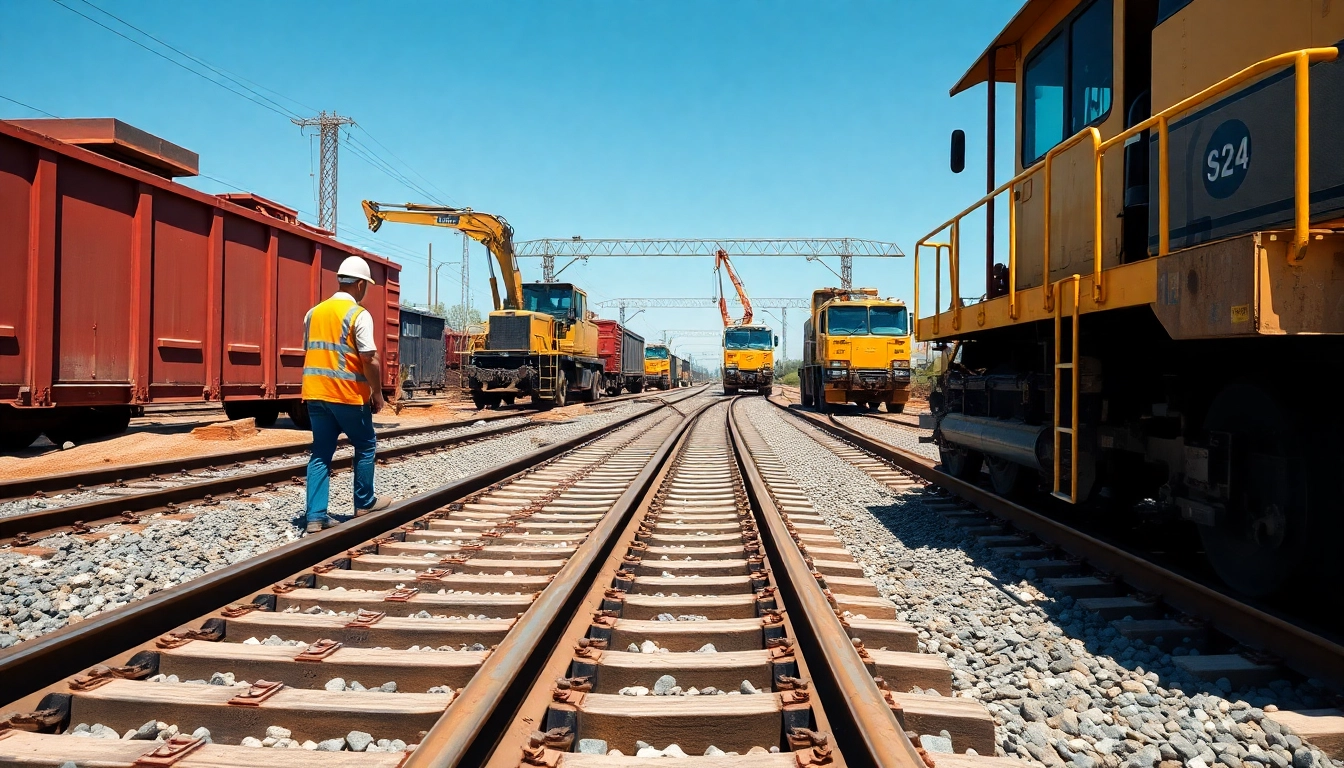
- Heavy machinery: Cranes and excavators are often needed to lift derailed cars back onto the tracks.
- Track repair tools: This includes rail saws, alignment tools, and welding equipment.
- Safety gear: Personal protective equipment (PPE) such as helmets, gloves, and reflective vests are necessary for all team members.
Using the appropriate equipment ensures that repairs are conducted efficiently and safely, reducing the risk of accidents during the recovery process.
Safety Measures and Protocols
Safety must be at the forefront of any derailment repair effort. Key protocols include:
- Establishing a safety perimeter around the worksite to keep unauthorized personnel out.
- Implementing a clear communication system among crew members to relay information and perform safety checks.
- Regular safety drills and training sessions to prepare for the unique challenges that derailment repairs present.
Creating a culture of safety within the repair crews can prevent accidents and injuries during the recovery process.
Streamlining Repair Processes
Efficiency is essential in minimizing downtime during derailment repairs. Streamlining processes may involve:
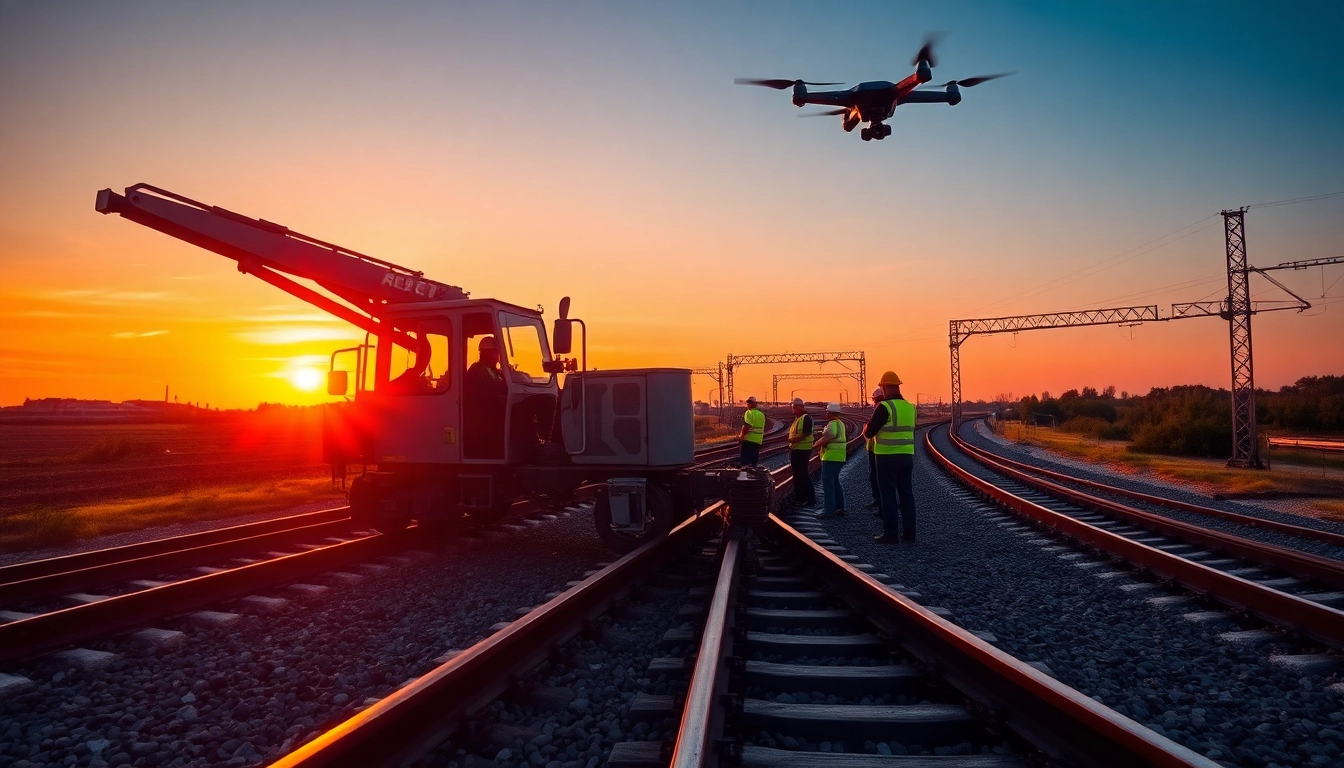
- Leveraging technology such as drones for site surveys or monitoring equipment to assess repairs remotely.
- Utilizing digital timelines and project management tools to track progress and stay on schedule.
- Cultivating a team with diverse skills to ensure multiple tasks can be performed simultaneously.
By optimizing workflows, teams can recover more quickly from derailments and restore rail operations safely and efficiently.
Post-Repair Evaluation
Inspection and Testing
Once repairs are completed, thorough inspections and testing are required to ensure everything is in proper working order. Key steps involve:
- Conducting detailed inspections of tracks and rolling stock to validate repair work.
- Implementing test runs to ensure the integrity of the system before resuming normal operations.
- Documenting findings and necessary recommendations for future maintenance.
Regular inspections following repairs can contribute to long-term safety and operational stability.
Reporting and Documentation
Comprehensive documentation is essential for legal and safety reasons. A proper report should contain:
- A timeline of events leading to the derailment.
- Details of all assessments, repairs made, and tools used.
- Test results and confirmation of safety standards being met.
Transparent documentation prepares the company for any inquiries and helps inform future best practices.
Learning from Past Incidents
Post-repair evaluations should include a debriefing session with the repair crew to discuss what worked and what did not. Analyzing the factors contributing to the derailment and the effectiveness of the response can yield invaluable data for preventing future incidents. This reflective approach helps in developing improved strategies for both incident prevention and response.
FAQs about Derailment Repairs
What is the typical timeline for derailment repairs?
The timeline can vary widely depending on the severity of the derailment, ranging from a few days for minor incidents to several weeks for major repairs. Factors like equipment availability and environmental conditions also affect timelines.
How do teams ensure safety during repairs?
Teams implement a safety perimeter, use personal protective equipment, conduct regular safety drills, and establish clear communication protocols to ensure everyone is aware of potential hazards.
What types of equipment are used in derailment repairs?
Common equipment includes heavy machinery like cranes and excavators, track repair tools such as rail saws, and safety gear like helmets and reflective vests to protect workers during the repair process.
How can companies prevent future derailments?
Preventative measures include regular track maintenance, investing in employee training, monitoring weather conditions, and implementing technological solutions for early detection of track defects.
What are the costs associated with derailment repairs?
The costs can be significant, influenced by the extent of damage, equipment required, and labor involved. Quick repairs can mitigate costs by reducing downtime and minimizing safety risks.
Contact Information
Call Us: (855) 920-8722
Email: [email protected]
Address: 350 Fossil Creek Boulevard, Suite 106, Fort Worth, TX, United States, Texas