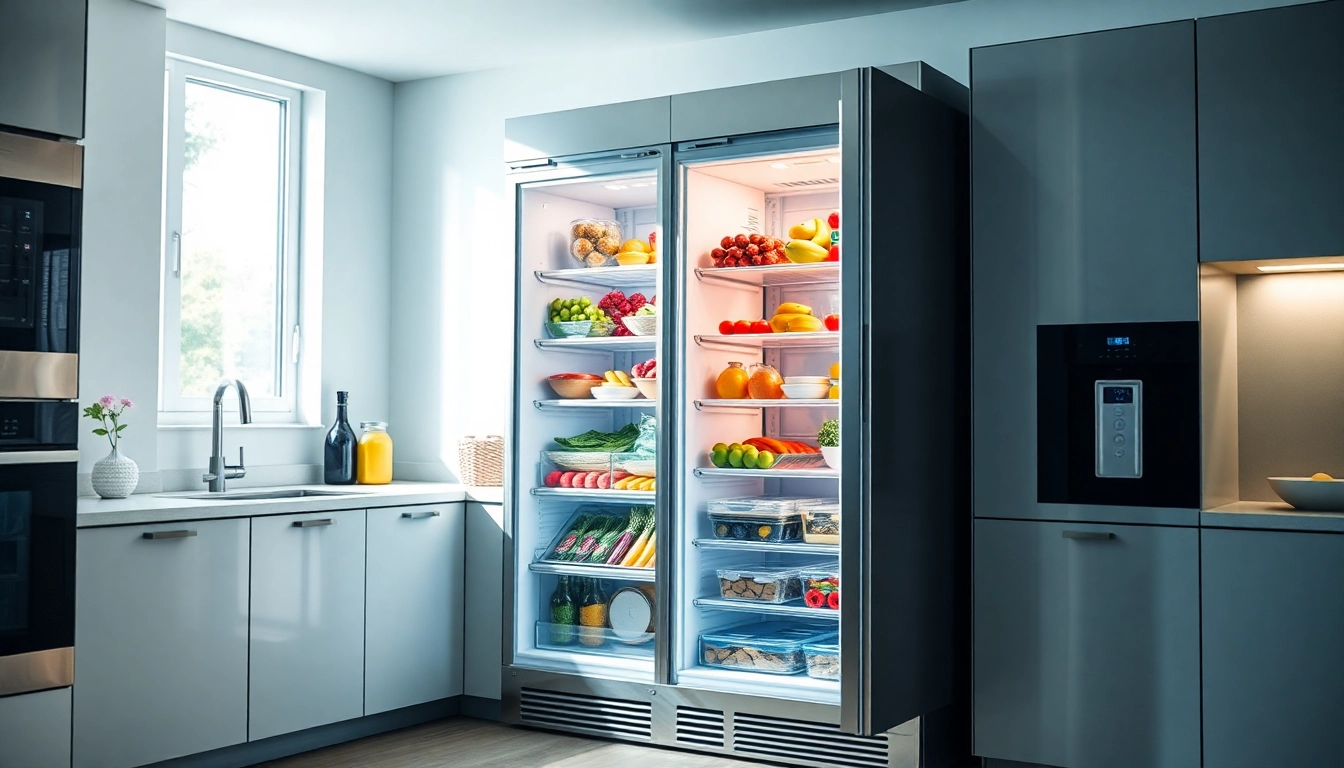
Understanding the Importance of a Freezer
Role of a Freezer in Food Preservation
A freezer serves an essential function in food preservation by lowering the temperature of food to below freezing point, which slows down the activity of microorganisms. This process helps prolong the shelf life of a variety of foods, including meats, vegetables, and leftovers. When the temperature is maintained at or below 0°F (-18°C), food quality can be preserved for months or even years, reducing waste and saving money. By incorporating a Freezer into your kitchen, you’re not only investing in better food storage but also in a more sustainable lifestyle.
Benefits of Using a Freezer for Meal Prep
Meal prepping is made significantly easier with a freezer. Through freezing, foods can be cooked in bulk and stored for later consumption. This creates convenience, allowing for quick meal solutions without sacrificing health. Prepping meals and freezing them can reduce the temptation to eat out and may also help maintain portion control. Furthermore, various ingredients can be frozen—like grains, sauces, and cooked vegetables—making it easy to assemble meals at a moment’s notice.
Freezer vs. Refrigerator: Key Differences
While refrigerators keep food fresh for short periods, freezers are designed to store food long-term. The main difference lies in temperature: refrigerators maintain food at 32°F to 40°F (0°C to 4°C), ideal for short-term storage, while freezers operate at 0°F (-18°C) or lower. This fundamental difference means that a freezer is invaluable for preserving proteins and seasonal produce, allowing for more versatility in meal planning and management.
Types of Freezers: Which One Fits Your Needs?
Chest Freezer: Space and Storage Solutions
Chest freezers are known for their large storage capacity and efficiency. Ideal for bulk purchases, they typically hold more than upright models and can keep food frozen longer during power outages thanks to their design. Additionally, their horizontal layout allows for efficient organization; however, it might require bending to access lower items. For families or individuals who frequently buy in bulk or hunt, a chest freezer can offer the perfect solution for ample storage space.
Upright Freezer: Convenient Organization
Upright freezers are designed for accessibility and organization, featuring shelves that make it easy to see and reach stored items. They usually have a smaller footprint, making them a good choice for kitchens with limited space. Many models come equipped with drawers for better organization, allowing users to categorize foods effectively. Vertical space utilization is maximized, and these models generally defrost more conveniently than their chest counterparts, adding to their appeal.
Portable Freezer: Options for Travelers
Portable freezers are perfect for those on the go, including campers, truck drivers, or anyone who needs to take food on travel journeys. These compact units are designed to keep food frozen without requiring constant access to electricity and can be plugged into car adapters. With varied sizes and capabilities, portable freezers ensure you can maintain your preferred diet even when away from home, making them a versatile choice for all types of travel.
Features to Consider When Buying a Freezer
Energy Efficiency Ratings to Watch
When selecting a freezer, scrutinizing its energy efficiency is vital. Look for models with an Energy Star rating, which indicates lower energy consumption without compromising performance. Over time, energy-efficient models will save you money on bills, contributing to long-term savings. Understanding how much energy a freezer will consume helps you make eco-friendly choices that align well with your lifestyle.
Size and Capacity: How Much Space Do You Need?
The size and capacity of a freezer depend on several factors, including family size, storage habits, and kitchen space. Before purchasing, assess your needs: a single individual may require a smaller unit, while a family of four may benefit most from a larger chest freezer. It’s crucial to find the balance between having enough space for your frozen goods and not overwhelming your kitchen with an oversized appliance.
Additional Features: Frost-Free vs. Manual Defrost
Freezers come equipped with different options for defrosting. Frost-free models automatically eliminate frost buildup, ensuring maximum efficiency and convenience for users who prefer minimal maintenance. On the other hand, manual defrost freezers require periodic manual defrosting, but typically are more cost-effective upfront. Understanding your preferences for maintenance and hands-on versus hands-off care will help guide your decision-making process.
Best Practices for Using Your Freezer Effectively
How to Organize Your Freezer for Easy Access
Effective organization is key to utilizing your freezer to its full potential. Start by grouping similar items together, which can streamline meal preparation. Consider using clear bins or labels to further categorize items, making it easy to access what you need quickly. Implementing a first-in, first-out (FIFO) system, where older items are used before newer ones, also prevents freezer burn and waste.
Proper Food Storage Techniques
To maximize food quality, use airtight packaging to prevent freezer burn. Vacuum-sealing packages or freezer-specific bags are ideal solutions. Additionally, ensure that foods are frozen in appropriate portion sizes to facilitate convenient thawing without the need for repeated freeze-thaw cycles, compromising quality. Each type of food might have unique storage requirements; for example, liquids should be frozen with some expansion space to avoid bursting containers.
Maintaining Temperature and Efficiency
It’s vital to maintain your freezer’s temperature for optimal performance. Check the temperature regularly, ensuring it remains at or below 0°F (-18°C). Avoid opening the door unnecessarily and try to limit the time the door is open to maintain internal temperatures. Regular maintenance, including cleaning coils and ensuring door seals are functional, will enhance efficiency and prolong the life of your freezer.
Frequently Asked Questions About Freezers
What is the average lifespan of a freezer?
The average lifespan of a freezer is typically between 10 to 20 years, depending on maintenance, model, and usage. Regular cleaning and upkeep will help ensure its longevity.
How often should I defrost my freezer?
Defrosting schedules can vary; however, a manual defrost freezer should be defrosted when frost buildup exceeds 1/4 inch, while frost-free units do not require manual defrosting.
Can a freezer save me money in the long run?
Yes, a freezer can save money by allowing you to buy in bulk, reduce food waste, and take advantage of sales on seasonal items, contributing to long-term savings on grocery bills.
What foods can be safely frozen?
Many foods can be safely frozen, including meats, vegetables, fruits, bread, and cooked meals. Certain foods require specific preparation methods for optimal freezing.
How do I know if my freezer is working properly?
Check the temperature regularly with a thermometer. Ensure items are fully frozen, and look for frost buildup or unusual noises, which may indicate a malfunction.