Understanding the Importance of African American Cartoons
African American cartoons have become a critical medium for storytelling, representation, and cultural expression in animation. They offer a window into the experiences, heritage, and diverse narratives of Black individuals and communities, helping to redefine the landscape of animated content. Representation matters significantly, as it fosters understanding and appreciation of different cultures among audiences of all ages. As you explore the world of African American Cartoons, you’ll find that these animated stories go beyond entertainment; they contribute to cultural education and social awareness.
The Role of Representation in Animation
For decades, animation has lacked diversity, often presenting skewed, stereotypical portrayals of African American characters. However, recent waves of creativity in the industry are reshaping this narrative. Cartoons such as “The Boondocks” and “The Proud Family” have played pivotal roles in portraying African American culture authentically, addressing social issues and family dynamics that resonate deeply with viewers. This representation not only normalizes diversity in media but also encourages young viewers from the African American community to embrace their identities and cultural backgrounds.
Benefits for Children’s Identity Development
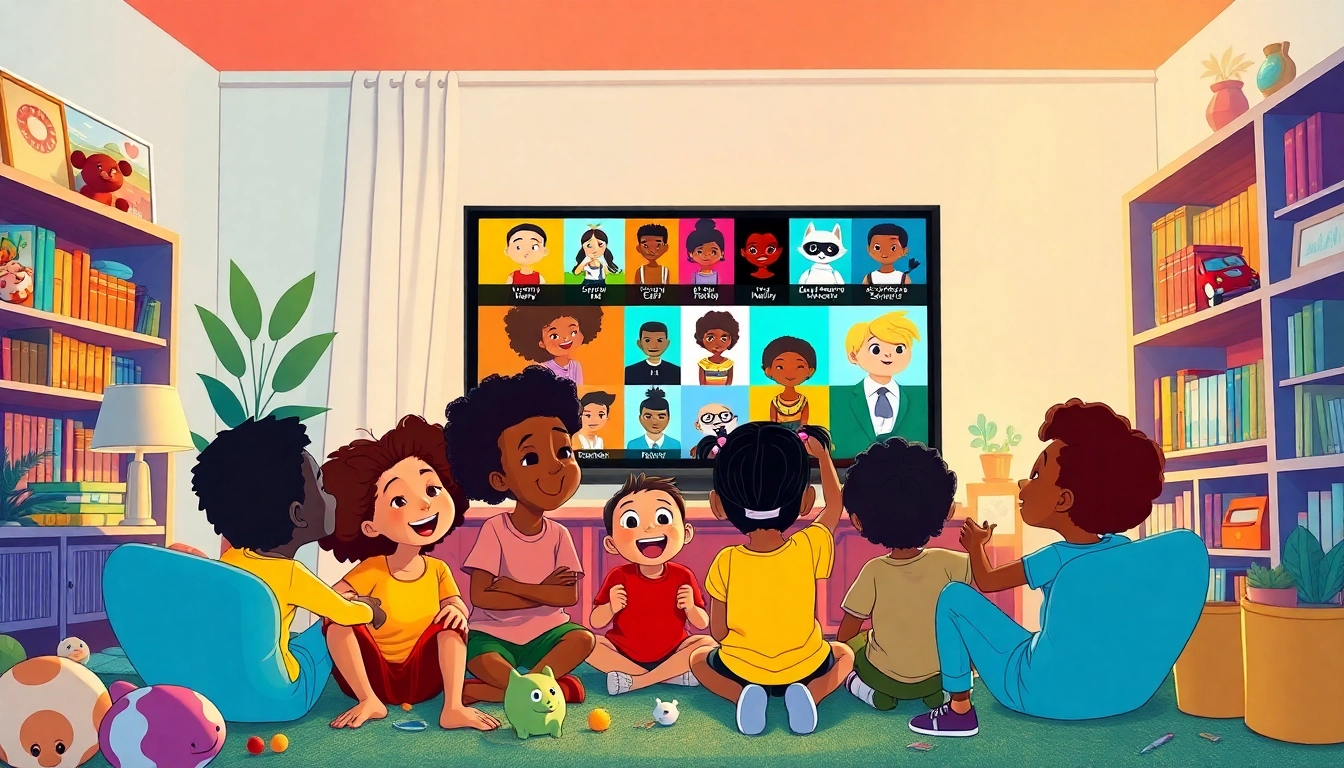
Children’s identity formation is heavily influenced by the media they consume. Inclusive narratives in cartoons provide relatable role models for young African American viewers. When children see themselves reflected in the characters they adore, it validates their experiences and fosters a sense of belonging. Animated shows like “Doc McStuffins” and “Carmen Sandiego” introduce young audiences to characters who exhibit traits of resilience, intelligence, and creativity, thereby positively influencing their self-esteem and aspirations.
Addressing Misconceptions in Media
Historically, media representations have perpetuated harmful stereotypes, which can lead to misconceptions about African American culture. African American cartoons serve as a medium for correcting these narratives by depicting authentic stories and character arcs. By challenging stereotypes, these shows not only entertain but also educate their audiences about the richness and complexity of African American life, helping to dismantle prejudices that exist in society.
Top African American Cartoons Making Waves in 2026
As the animation industry evolves, new and classic African American cartoons continue to captivate audiences. The year 2026 is already seeing the revival of beloved series alongside fresh, innovative shows that promise to engage audiences both young and old.
Classic Favorites Revived
Many classic African American cartoons are being revived for contemporary audiences, either through reboots or sequels. For instance, “The Proud Family: Louder and Prouder” has returned to address modern societal issues while bringing back its beloved characters. Such revivals not only tap into nostalgia but also offer rich opportunities to discuss topical themes relevant to today’s viewers.
New Releases and Upcoming Series
2026 has brought forth exciting new animated series centered around African American experiences. “The Black Bounty Hunter” and “Coco’s Lab” have generated buzz for their unique storytelling and strong character development. These shows highlight the importance of creativity and cultural narratives in animation, with creators pushing boundaries in terms of themes and artistic direction.
Innovative Storytelling Techniques
Modern African American cartoons are increasingly adopting innovative storytelling techniques that blend traditional animation with technology. 3D animation and interactive storytelling are becoming more prevalent, allowing for immersive viewer experiences. For example, “Kazoops!” uses a creative approach to teach children about problem-solving and critical thinking, while incorporating elements of African American culture into its narrative fabric.
Character Spotlight: Iconic Figures in African American Cartoons
African American cartoons feature a host of iconic characters who have left a lasting impact on both animation and culture at large. These characters are not only entertaining but serve as role models and sources of inspiration for audiences.
Heritage and Influence of Key Characters
Characters like Huey and Riley Freeman from “The Boondocks” embody the complexities of growing up Black in America. Their narratives tackle tough subjects such as social justice, racial identity, and community, making them relevant icons for substance and comedy. Similarly, characters from “Fat Albert and the Cosby Kids” reflect the importance of friendship and resilience, teaching valuable life lessons through their adventures.
Creating Relatable Role Models
In addition to providing entertainment, these characters serve as relatable role models. For instance, the character of Doc McStuffins is a young African American girl who aspires to be a doctor, inspiring young girls, particularly girls of color, to pursue careers in STEM fields. This representation encourages children to dream big and shatter glass ceilings.
Analysis of Character Development Trends
Over the years, there has been a trend towards more nuanced character development in African American cartoons. Characters are being portrayed with emotional depth, complexities, and relatable struggles. This shift enhances storytelling and allows for a greater exploration of themes like mental health, family dynamics, and identity, which resonate with both children and adults alike.
How to Find and Support African American Animated Content
With the growing demand for diverse animated content, it is essential to know where to find and support African American cartoons. Several platforms dedicate themselves to promoting this genre, ensuring that stories representing African American culture are readily available.
Platforms Featuring African American Cartoons
Streaming services such as Netflix and Hulu have been increasingly adding more African American-themed cartoons to their libraries. Additionally, platforms like YouTube have a wealth of web series created by and for African Americans. These platforms provide consumers access to diverse voices and stories that reflect the modern African American experience.
Community Engagement and Events
Engaging with local and online communities dedicated to African American animation can also provide insight into new content and initiatives. Events like the Urban Animation Festival and various panel discussions at comic conventions often focus on celebrating African American talent in animation, providing a platform for creators and audiences to connect.
Encouraging Diversity in Animation Production
Supporting creators and producers who prioritize diversity in their projects is crucial. By advocating for and investing in shows that feature African American storytellers and animation artists, audiences can help facilitate the creation of more inclusive content. This not only benefits the animation industry but also enriches cultural narratives.
Future Trends in African American Cartoons
As we move deeper into 2026 and beyond, the trends in African American cartoons will likely continue to evolve, reflecting societal changes and advancements in technology.
Technological Innovations in Animation
Technological advancements are driving the future of animation. The use of AI and virtual reality in animation production will not only enhance visual storytelling but also open new avenues for interactivity. Expect to see more African American cartoons adopting these technologies to engage viewers in unprecedented ways.
Predictions for Representation in Media
The future holds great promise for increased representation of African Americans in animation. As creators push the boundaries of storytelling, we can anticipate even more complex narratives that reflect the diverse experiences within the community. This ongoing trend towards inclusivity in animated content will empower a new generation of storytellers to share their unique perspectives.
Educating the Next Generation of Animators
Education will play a key role in shaping the future of African American cartoons. Encouraging young aspiring animators through mentorship programs and workshops centered on African American culture will ensure that diverse voices continue to emerge in the animation industry. Engaging with educational institutions to advocate for inclusive curricula that incorporate African American history in animation will help prepare the next wave of talent.