
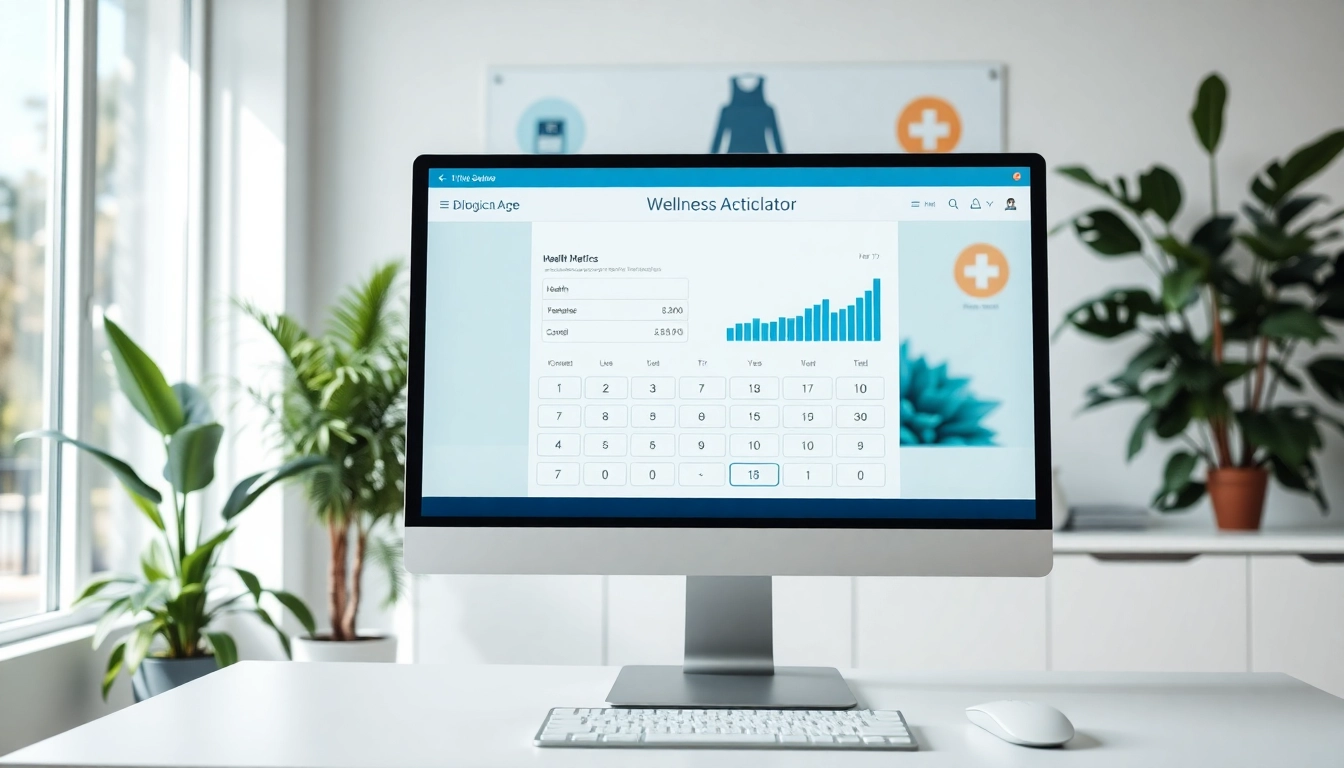
Introduction to Biological Age Calculator
In recent years, there has been an increasing interest in understanding our health beyond mere chronological age. Enter the biological age calculator, a powerful tool that provides insights into your body’s true age based on various physiological markers. While chronological age simply counts the years since birth, biological age offers a more nuanced perspective. This distinction can help individuals make more informed decisions about their health and well-being.
What Is Biological Age?
Biological age refers to the age of your body based on various biomarkers and physiological conditions. Unlike chronological age, which is a straightforward tally of the number of years since your birth, biological age takes into account how well your body functions in comparison to others in the same demographic. Factors influencing biological age include genetics, lifestyle choices, nutrition, and physical activity.
The Importance of Knowing Your Biological Age
Understanding your biological age can empower you to take control of your health. It provides a more accurate representation of your internal health status and longevity potential. By knowing your biological age, you can tailor lifestyle changes and health interventions more effectively. This knowledge can enhance motivation for achieving or maintaining better health, potentially leading to a longer and healthier life.
How Biological Age Differs from Chronological Age
Biological age is not always synonymous with chronological age. Two individuals of the same chronological age can have vastly different biological ages depending on their lifestyle, diet, and overall health. For instance, a very active and health-conscious 50-year-old may have a biological age equivalent to a 40-year-old, while a sedentary individual may find that their biological age exceeds their chronological age. Factors that can influence biological age include:
- Genetics: Family history and genetic predispositions can play a significant role in how we age.
- Lifestyle Choices: Smoking, alcohol consumption, and other lifestyle factors can accelerate biological aging.
- Medical Conditions: Chronic diseases can also contribute to an increased biological age.
- Environmental Factors: Exposure to pollutants and toxins can negatively impact biological aging.
How to Use a Biological Age Calculator
Using a biological age calculator is relatively straightforward. Understanding how to input your data and interpret your results can help you make better health choices. Here’s a step-by-step guide to using a typical biological age calculator.
Step-by-Step Guide to Input Your Data
1. Choose a Calculator: Select a biological age calculator that suits your needs. Many calculators are available online, often requiring basic health data.
2. Gather Necessary Information: You may need various metrics like:
- A personal health history
- Results from blood tests (e.g., cholesterol levels, blood pressure)
- Physical activity levels
- Dietary habits
- Body measurements (weight, height)
3. Enter Your Data: Fill out the necessary fields in the calculator, ensuring accuracy to get a more reliable assessment.
4. Submit Your Information: Click on the calculate button to receive your biological age result.
Understanding the Metrics and Results
The results generated by a biological age calculator are often based on algorithms that analyze the data entered. These algorithms may take into account multiple factors, such as:
- Blood markers: Various blood test results that indicate health status
- Genetic risk factors: Information on family history of disease
- Lifestyle inputs: Data regarding your day-to-day activities, diet, and habits
Understanding these metrics can help you realize what aspects of your health you may need to focus on. The output may include a numerical age along with suggestions for improvement.
Interpreting Your Biological Age Outcome
A biological age outcome usually comprises a numerical figure, which can be interpreted in several ways:
- Age Match: Compare your biological age to your chronological age. A lower biological age suggests better health and longevity, while a higher biological age indicates areas for improvement.
- Health Risks: Some calculators provide additional insights into health risks based on your biological age, helping you identify potential issues before they arise.
- Recommendations for Improvement: Many calculators suggest lifestyle changes tailored to your results, such as dietary adjustments, exercise plans, or stress management techniques.
Factors Affecting Biological Age
Several key factors influence biological age, offering plenty of opportunities for individuals to make adjustments to improve their results. Understanding these factors sheds light on how lifestyle choices and health screenings can effectively reduce biological age.
Genetics and Lifestyle Choices
Genetics play an essential role in determining biological age, as certain genetic predispositions can lead to earlier onset of age-related diseases. However, lifestyle choices can mitigate or exacerbate these genetic factors. For example, someone with a family history of heart disease can reduce their risk through a healthy diet and regular exercise. Conversely, negative lifestyle choices—such as smoking and excessive drinking—can promote biological aging.
The Role of Nutrition in Aging
Nutrition plays a critical role in determining biological age. A diet rich in antioxidants, vitamins, and minerals can slow down the aging process at the cellular level. These nutrients help combat oxidative stress, one of the significant contributors to cellular aging. Foods like fruits, vegetables, whole grains, lean proteins, and healthy fats can provide your body with the nutrition needed to function optimally. Inadequate nutrition, such as high consumption of processed sugars and fats, can lead to inflammation, increasing biological age.
How Exercise Influences Biological Age
Regular physical activity has been associated with a lower biological age. Exercise improves cardiovascular health, boosts metabolism, and supports mental well-being, all of which are vital as we age. Studies show that individuals who engage in consistent physical activities—such as strength training, aerobics, and flexibility exercises—often present a biological age significantly lower than their chronological counterparts.
Improving Your Biological Age Results
Although many factors influence biological age, there are actionable steps you can take to improve your results. These lifestyle changes can lead to a healthier biological age, ultimately enhancing your quality of life.
Actionable Steps for Healthier Living
1. Adopt a Balanced Diet: Focus on consuming a variety of whole foods, emphasizing fruits, vegetables, lean proteins, and whole grains.
2. Incorporate Regular Exercise: Aim for at least 150 minutes of moderate aerobic activity or 75 minutes of vigorous activity weekly, along with muscle-strengthening activities twice a week.
3. Manage Stress: Practicing mindfulness, meditation, or yoga can help manage stress, which is a known factor in biological aging.
4. Stay Hydrated: Drinking adequate amounts of water is essential for maintaining bodily functions and supporting overall health.
5. Avoid Harmful Substances: Limit alcohol consumption and avoid smoking to mitigate oxidative stress on the body.
Recommended Lifestyle Changes
Beyond immediate actions, the following lifestyle choices may lead to significant improvements in biological age:
- Sleep: Aim for 7-9 hours of quality sleep each night to allow your body to recover and repair.
- Social Connections: Maintaining strong relationships and engaging socially can improve mental health and longevity.
- Routine Health Screenings: Regular check-ups can help identify potential health issues before they become serious concerns.
Monitoring Progress Over Time
Improving your biological age isn’t an overnight process; it requires consistent effort and monitoring over time. Regular use of a biological age calculator can help you track your progress, offering insights into how your lifestyle changes are affecting your overall health. Additionally, maintaining a health journal can provide motivation and hold you accountable to the changes you wish to implement.
Frequently Asked Questions about Biological Age
Common Misconceptions
Many people confuse biological age with chronological age, leading to misunderstandings about health and aging. It's essential to recognize that biological age can be influenced by changes in lifestyle and habits. While chronological age is fixed, biological age can be altered positively with intentional changes.
How Accurate Are Biological Age Calculators?
The accuracy of biological age calculators largely depends on the algorithms used to calculate the results. Many calculators use established health metrics and data from clinical studies, making them surprisingly reliable. However, the precision and validity of results can vary between different calculators. Therefore, it is crucial to understand the basis and methodology behind each tool you choose to ensure you're getting an accurate representation of your biological age.
Seeking Professional Guidance
For a more comprehensive assessment of your biological age and health, consider consulting with healthcare professionals. They can provide guidance tailored to your specific health needs, utilizing blood tests, genetic screenings, and detailed assessments to offer a broad understanding of how to reduce your biological age.