Understanding PPF Winter Road Salt Protection
What is PPF and Why It Matters?
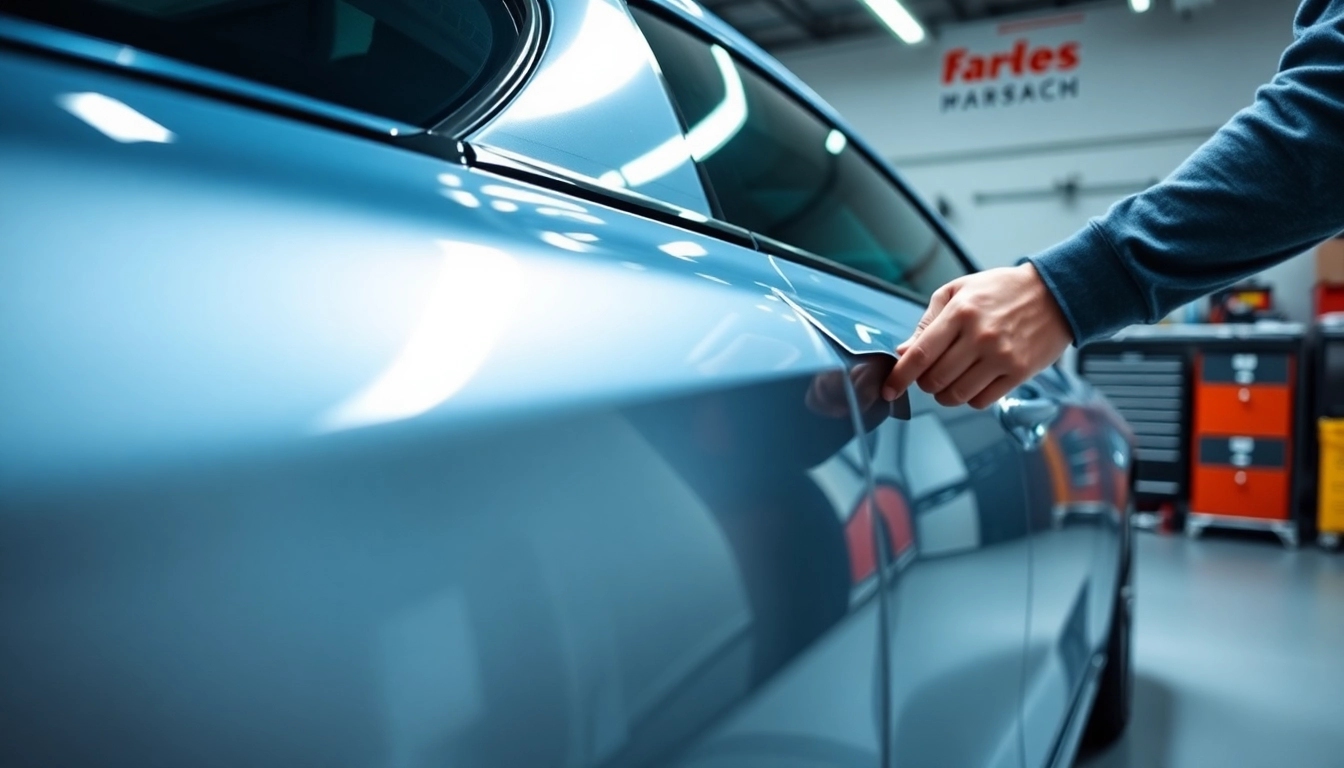
Paint Protection Film (PPF) is a clear or translucent urethane film designed to protect the surfaces of vehicles from various environmental hazards. This high-quality protective layer acts as a barrier against abrasions, chips, and stains, ensuring your vehicle maintains its pristine appearance over time. PPF is known for its remarkable self-healing properties, where minor scratches and swirls disappear when exposed to heat. But beyond aesthetics, one of its most crucial functions is its effectiveness in providing PPF winter road salt protection, especially in regions where road salt is a common winter maintenance practice.
How Winter Road Salt Affects Your Vehicle
Winter road salt is primarily composed of sodium chloride, which is effective in melting ice and ensuring safe roadway conditions. However, this substance can be detrimental to your vehicle’s paintwork. Prolonged exposure to road salt can lead to corrosion, rust formation, and the deterioration of the underlying metal, particularly in areas where the paint is chipped or worn. The chemical reaction between salt and metal can accelerate a vehicle’s aging process and impact its resale value significantly. Additionally, road salt can attract moisture, which further exacerbates corrosion issues. This is why understanding PPF and its protective capabilities is so critical for vehicle owners in regions that experience harsh winters.
Benefits of PPF Winter Road Salt Protection
Investing in PPF offers several benefits, particularly concerning winter road salt protection. Key advantages include:
- Corrosion Prevention: PPF acts as a shield against road salt, preventing it from directly contacting the paint surface and reducing the likelihood of rust formation.
- Scratch Resistance: The thick layer of PPF can absorb impacts from debris and pebbles, ensuring your paint stays scratch-free even after multiple winter drives.
- Self-Healing Properties: Minor scratches can self-repair with heat exposure, maintaining the vehicle’s aesthetic appeal throughout the winter season.
- Ease of Maintenance: PPF makes washing and cleaning your vehicle easier, as contaminants and dirt are less likely to adhere to the smooth surface.
- Resale Value Protection: By maintaining the vehicle’s exterior condition, PPF can help preserve its value, providing a better return on investment when it’s time to sell or trade in.
Choosing the Right PPF
Types of Paint Protection Films
Not all PPFs are created equal, and understanding the different types available on the market is essential for making an informed choice. The two primary types of PPF include:
- Self-Healing Films: These films are designed to repair themselves from minor scratches using heat. They are particularly beneficial in protecting against winter wear and tear.
- Traditional PPF: Traditional films do not possess self-healing capabilities but are available in various thicknesses and offer strong protection against impacts and abrasions.
Key Features to Look For
When selecting a PPF, consider the following features to ensure maximum protection:
- Thickness: A thicker film generally offers better protection against impacts and wear. Look for films that are at least 8 mils thick.
- UV Resistance: High-quality PPFs should offer UV protection to prevent yellowing and fading over time.
- Hydrophobic Properties: A hydrophobic film repels water, making it easier to clean and maintain.
- Warranty: Choose a PPF that comes with a comprehensive warranty, indicating the manufacturer’s confidence in their product.
Comparing PPF Brands and Their Offers
While there are many brands available, not all offer the same level of quality. It’s crucial to conduct thorough research and read reviews concerning the durability, appearance, and protective capabilities of various PPF brands. Look for user testimonials and expert reviews, focusing on real-world experiences, especially in winter conditions. Features like self-healing technology, ease of installation, and warranty options should weigh heavily in your decision-making process.
Application Process of PPF
Preparing Your Vehicle for PPF
Before installing PPF, proper preparation is crucial for ensuring a successful application. Begin by thoroughly washing and drying your vehicle to remove all dirt, grease, and residue. It’s recommended to use a clay bar to eliminate any embedded contaminants that could interfere with film adhesion. Once the surface is clean, inspect the vehicle for any pre-existing paint damage that might need to be addressed before installation. If you’re not confident in DIY methods, consider seeking professional assistance.
Steps to Apply PPF Successfully
The application process can be intricate but can yield excellent results when done carefully. Here are the steps involved:
- Measure and Cut: Measure the sections of the vehicle where the film will be applied and cut the film accordingly, ensuring there’s a little extra material to trim later.
- Wet Application: Use a mixture of water and a few drops of soap to create a slip solution for proper positioning of the film.
- Position the Film: Apply the film to the vehicle’s surface carefully, using squeegees to remove any air bubbles and ensure smooth adhesion.
- Trim the Edges: Once the film is positioned, trim excess material from the edges using a sharp knife or a specialized cutting tool.
- Final Detailing: Remove any remaining air pockets, inspect the edges for adherence, and allow the film to cure based on the manufacturer’s recommendations.
Expert Tips for Best Results
To ensure the best installation results, consider these tips:
- Work in a Controlled Environment: Install in a clean, dust-free environment, ideally in a temperature-controlled facility.
- Take Your Time: Rushing can lead to mistakes; follow the instructions meticulously and allow adequate drying time.
- Use the Right Tools: Utilize professional-grade tools like squeegees and utility knives designed for film application to achieve precision cuts and clean finishes.
Maintaining PPF After Installation
Routine Care Practices
Once your PPF is installed, maintaining it is essential for longevity. Regular cleaning is necessary to remove dirt and road grime without damaging the film. Use a mild car shampoo and a soft microfiber cloth to prevent scratching. Avoid automated car washes with brushes that may lift the edges of the PPF. Instead, opt for hand washing to protect your investment.
Identifying Damage and Repairing PPF
Keeping an eye on the condition of your PPF is crucial. Look for signs of wear, such as yellowing, peeling, or bubbling. Minor scratches can be repaired using heat applied from a heat gun, which allows the self-healing properties of the film to activate. For more significant damage, you may need to replace the section of the PPF or consult a professional to assess the best course of action.
When to Consider Reapplication
While PPF can last several years with proper care, signs of degradation will become apparent over time. If you notice consistent yellowing, loss of clarity, or extensive wear that cannot be remedied, it may be time to consider reapplication. Regular inspections can help you identify the right time to renew your vehicle’s protective layer.
Frequently Asked Questions
How long does PPF last?
PPF can last anywhere from 5 to 10 years, depending on the quality of the film and how well it is maintained.
Can PPF be removed?
Yes, PPF can be safely removed without damaging the underlying paint when done correctly, often by a professional.
Is PPF worth the investment?
Yes, it provides essential protection against scratches and road salt, which can save you money on repairs down the line.
Will PPF change the color of my car?
No, high-quality PPF is nearly invisible and shouldn’t alter the color of your vehicle, preserving its original paint finish.
Can I wash my car after PPF installation?
It’s recommended to wait at least 48 hours after PPF installation before washing your vehicle to allow for proper adhesion.