Understanding Fly Fishing Apparel Fabric Types
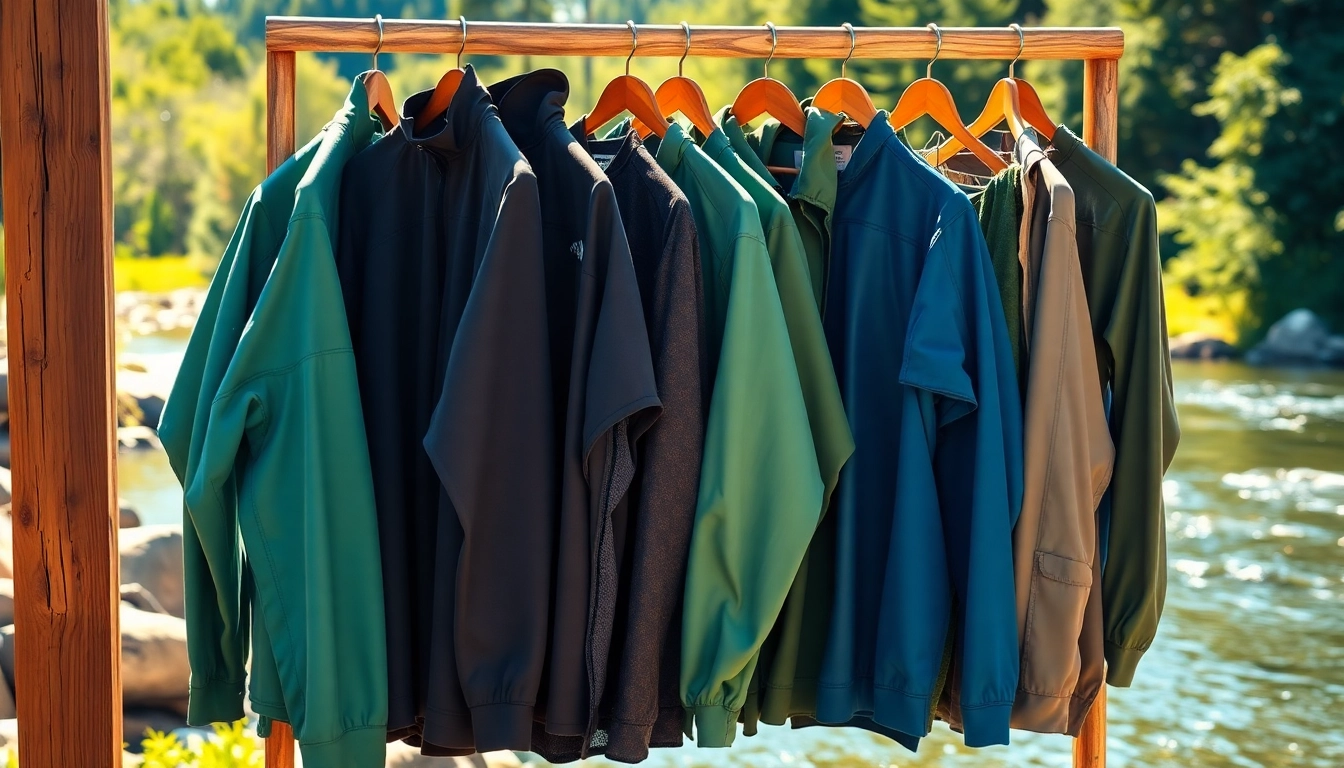
The world of Fly fishing apparel is as diverse as the waterways we explore. One of the crucial aspects that influence your comfort and performance while fly fishing is the type of fabric used in your clothing. In this section, we’ll explore the different types of fabrics, their benefits, and how they cater to the varied needs of anglers.
Natural Fabrics for Comfort
Natural fabrics, such as cotton and wool, have been traditionally favored in outdoor wear due to their comfort and breathability. Cotton offers comfort, absorbs moisture, and is soft against the skin. However, it has limitations when it comes to drying quickly and protection against the cold when wet.
Wool, on the other hand, is a remarkable insulator, managing to keep you warm even when damp. Merino wool is particularly celebrated for its fine fibers that provide excellent insulation without the itch, making it suitable for layering under your fly fishing jacket.
Technical Fabrics for Performance
In modern fly fishing, technical fabrics dominate the market. These synthetic materials are engineered for performance, offering durability, stretch, and moisture management. Fabrics like nylon and polyester are lightweight, quick-drying, and often have water-repellent finishes.
Such materials are crucial for the active angler who spends hours on the water, providing freedom of movement and resistance to wear and tear. Additionally, many technical fabrics incorporate antimicrobial treatments to avoid odors, making them perfect for long fishing trips.
Waterproof and Breathable Materials
Waterproof materials, such as those lined with Gore-Tex or similar membranes, are vital for anglers dealing with wet conditions. These fabrics ensure that water doesn’t penetrate while allowing sweat vapor to escape, maintaining comfort during physically demanding outings.
Choosing the right waterproof gear is essential not only for staying dry but also for ensuring that you can enjoy longer fishing sessions without discomfort. Ventilation features, like zippered pockets or mesh panels, further enhance these garments, allowing breathability when needed.
Essential Features to Look For
When selecting Fly fishing apparel, it’s critical to focus on features that enhance your fishing experience. Here are some essential characteristics to consider:
UV Protection As a Key Element
Sun protection is paramount when you’re out on the water for hours. Many fly fishing garments come with built-in UV protection, with ratings typically indicated by UPF (Ultraviolet Protection Factor). A higher UPF rating means better protection.
Opting for apparel that includes UV-blocking fabrics can help prevent skin damage and discomfort, making it a wise choice for anyone who spends extended periods exposed to direct sunlight.
Moisture-Wicking Properties Explained
Moisture-wicking fabrics draw sweat away from the body, keeping you dry and comfortable regardless of weather or activity level. This feature is essential during hot days when perspiration can lead to discomfort and overheating.
Look for fly fishing shirts and pants constructed with moisture-wicking technologies, as they can significantly improve your comfort and performance on the water.
Insulation for Various Weather Conditions
Weather can be unpredictable, especially in the great outdoors. Layering your clothing for insulation is a common practice among fly fishers. Lightweight fleece or insulated jackets are beneficial for cooler mornings or evenings.
Conversely, consider lighter, breathable base layers for warmer weather to ensure you stay cool and comfortable. Investing in versatile insulation options allows anglers to adapt to sudden weather changes effectively.
Choosing the Right Fit for Fly Fishing Apparel
The fit of your Fly fishing apparel is as important as the material composition. A good fit enhances comfort and allows for a full range of motion, critical when casting or reeling in fish. Here’s how to make an informed choice:
Why Fit Matters for Comfort
Clothes that are too tight can restrict movement and lead to discomfort, while oversized garments may snag on equipment or hinder agility. Ensure that your fishing apparel allows for both freedom and comfort, especially around the arms and shoulders where you need mobility the most.
Layering Techniques for Optimal Performance
Layering is an effective way to manage temperature and comfort levels while fly fishing. The base layer should transport moisture away from the skin, whereas the middle layer provides insulation. Finally, an outer layer typically repels wind and water.
Understanding proper layering will help anglers adjust their clothing based on changing temperatures or conditions, maximizing both comfort and effectiveness.
Size Charts and Choosing the Right Size
Always refer to size charts when purchasing apparel. Different brands may vary in sizing, and a well-fitting piece of clothing will enhance your experience on the water. Pay close attention to the fit in areas that typically restrict movement: the shoulders, biceps, and waist.
Best Practices for Caring for Fly Fishing Apparel
Washing Techniques for Longevity
Each fabric type may require different washing conditions. Generally, it is advisable to follow label instructions, using cold water and mild detergents. Avoid fabric softeners as they can damage moisture-wicking properties.
Refrain from over-washing your apparel, as this can lead to premature wear. Spot cleaning can be a good alternative for minor stains.
Storing Fly Fishing Apparel Properly
When not in use, store your fishing gear in a cool, dry place to avoid mildew and discoloration. Keep items dry and away from direct sunlight. Using breathable garment bags can help protect your clothing from dust and pests.
Repairing Minor Damages Effectively
Even with careful use, damages can occur. Sewing small tears or using fabric patches can prolong the life of your garments. For more significant issues, consider reaching out to a professional modifications service that specializes in sports apparel.
Frequently Asked Questions About Fly Fishing Apparel
What materials are best for fly fishing apparel?
Synthetic materials like polyester and nylon are excellent due to their lightweight, durability, and moisture-wicking qualities. Natural fibers like wool can also be beneficial for insulation and comfort.
How do I know what size fly fishing apparel to buy?
Refer to the size chart for each specific brand. Measure your chest, waist, and hips, comparing your measurements to the sizing guide to choose the correct fit.
Can I wear casual clothing for fly fishing?
While casual clothing can be worn, it may not provide the same comfort, moisture management, or sun protection as dedicated fly fishing gear, which could impact your experience on the water.
How do I maintain my fly fishing apparel?
Follow the washing instructions on the garment label, store items properly, and repair minor damages promptly to maintain your apparel in peak condition over time.
Where can I find quality fly fishing apparel?
Quality fly fishing apparel can be found at specialized outdoor retailers, online marketplaces, or direct from manufacturers known for their performance gear geared towards anglers.