Understanding Electric Chain Hoist Cranes
Electric chain hoist cranes represent an integral component of modern industrial lifting solutions. They are engineered to facilitate the seamless and efficient lifting of heavy loads with minimal human effort, making them an essential tool in manufacturing, construction, and logistics. As industries evolve and demand for safer, faster, and more reliable lifting solutions grows, understanding the intricacies of electric chain hoist cranes is crucial for any professional involved in material handling.
What is an Electric Chain Hoist Crane?
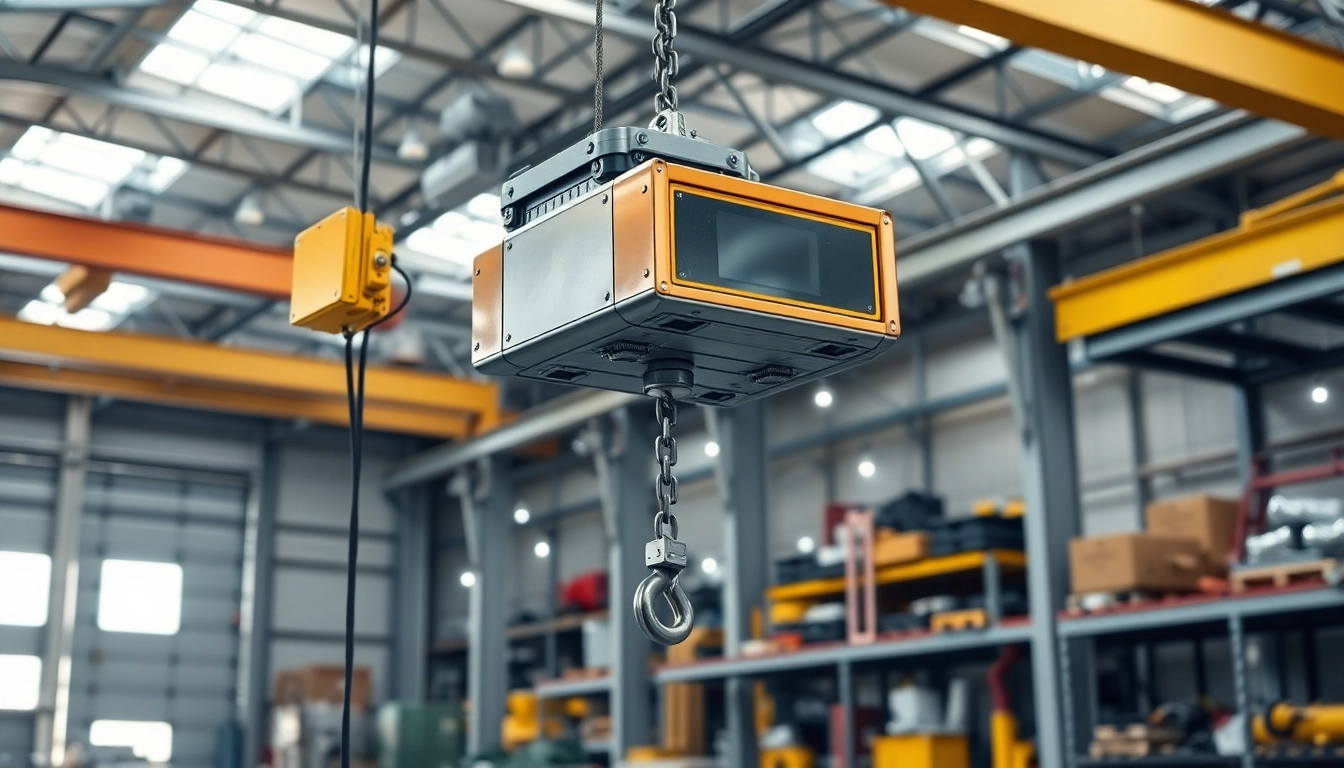
An electric chain hoist crane is a type of mechanical device designed for lifting and lowering heavy loads using an electrically powered chain or a rope mechanism. The hoist integrates a motor that drives the chain, enabling significant weight handling capacities, typically ranging from a few hundred pounds to several tons. The design enables precision in both vertical lifting and lowering, offering enhanced control compared to manual hoists. Electric chain hoists can be mounted on various structures, including ceilings, beams, and tracks, expanding their applicability across different environments.
Benefits of Using Electric Chain Hoist Cranes
There are numerous advantages to using electric chain hoist cranes, including:
- Increased Efficiency: Electric hoists substantially reduce the time and effort involved in lifting operations, increasing overall productivity.
- Enhanced Safety: With built-in safety features such as overload protection and emergency stop functions, electric chain hoists help minimize workplace accidents.
- Consistent Performance: The electric motor delivers a steady and reliable lifting operation, suitable for continuous use.
- Versatility: These hoists are adaptable for various applications, ranging from simple lifting tasks to complex industrial processes.
Key Components and Functionality Explained
Electric chain hoist cranes consist of several critical components, each contributing to their functionality:
- Motor: The heart of the hoist, responsible for driving the chain mechanism.
- Chain or Rope: The actual lifting mechanism that secures the load and raises or lowers it as commanded.
- Control System: Operators use push-button controls or remote devices to operate the hoist, providing precision in maneuvering loads.
- Hook or Lifting Mechanism: Attaches to the load, ensuring secure lifting without slippage.
Applications of Electric Chain Hoist Cranes
Electric chain hoist cranes are ubiquitous across various industries, showcasing their versatility and efficiency. Their applications span numerous sectors, including:
Electric Chain Hoist Crane in Manufacturing
In manufacturing settings, electric chain hoists streamline processes by facilitating the quick movement of heavy materials and finished products. They are particularly valuable in assembly lines, where they can lift components for installation, thus enhancing workflow and reducing downtime.
Construction Industry Usage
Electric chain hoists play a crucial role on construction sites, as they enable the lifting and positioning of heavy building materials such as steel beams and concrete blocks. Their ability to operate in confined spaces and tackle challenging lifts makes them an invaluable tool for contractors.
Warehouse and Logistics Applications
In warehouse settings, electric chain hoists maximize storage efficiency by allowing operators to lift pallets and containers to varying heights. This capability is essential for optimizing vertical storage space and improving inventory management practices.
Choosing the Right Electric Chain Hoist Crane
When selecting an electric chain hoist crane, various factors should be considered to ensure the best fit for specific lifting needs.
Factors to Consider When Selecting a Hoist
Key considerations include:
- Load Capacity: Assess the maximum weight the hoist will need to handle. It is crucial to choose a hoist that exceeds your expected load to ensure safety and performance.
- Environment: Determine whether the hoist will be used indoors or outdoors, as this affects the choice of materials and protection features.
- Power Supply: Consider the available power sources, as electric hoists can be designed for single-phase or three-phase power.
Capacity and Power Options
Electric chain hoists are available in a range of load capacities and power options. For example, smaller hoists suitable for light-duty tasks may have a capacity of 1 ton, while heavy-duty models can lift loads up to 50 tons or more. Selecting the appropriate capacity for your specific tasks is critical for safe operation.
Safety Features and Compliance Standards
Safety should always be a priority when selecting an electric chain hoist crane. Look for features such as:
- Overload Protection: Prevents the hoist from lifting loads that exceed its capacity.
- Emergency Stop Buttons: Allows for quick cessation of operation in case of an emergency.
- Compliance with Standards: Ensure that the hoist meets relevant safety regulations, such as OSHA and ANSI standards.
Installation and Maintenance Best Practices
Proper installation and maintenance are essential for the longevity and reliability of electric chain hoist cranes. Following established guidelines can prevent operational issues and increase safety.
Step-by-Step Guide to Hoist Installation
Installing an electric chain hoist involves the following steps:
- Identify the installation location, ensuring structural integrity.
- Mount the hoist securely to prevent any movement during operation.
- Connect the power supply according to the manufacturer’s specifications.
- Test the hoist for functionality and safety prior to regular use.
Routine Maintenance Tips for Longevity
Regular maintenance extends the life of your electric chain hoist. Consider the following maintenance practices:
- Visual Inspections: Regularly check for wear and tear on chains, hooks, and other components.
- Lubrication: Keep moving parts well-lubricated to ensure smooth operation.
- Functional Tests: Routinely test the hoist to ensure all controls and safety features are operational.
Troubleshooting Common Issues
Common issues with electric chain hoists may include:
- Stalling Motor: Check for overloaded circuits or mechanical blockages.
- Unresponsive Controls: Inspect wiring connections and control modules.
- Excessive Noise: Investigate for lack of lubrication or worn components.
The Future of Electric Chain Hoist Cranes
Looking ahead, electric chain hoist technology is set to evolve significantly, influenced by trends in automation, sustainability, and smart technology.
Emerging Technologies and Innovations by 2025
Expect to see advancements in sensor technology that enhance load monitoring and safety features. Innovations may include integration with Internet of Things (IoT) technologies to provide real-time data analysis for improved operational efficiency.
Sustainability Practices in Hoist Operations
As industries increasingly prioritize environmental sustainability, electric chain hoists are likely to incorporate energy-efficient motors and recyclable materials in their designs. This trend will contribute to greener operating practices across various sectors.
Industry Trends and Predictions for Electric Hoists
The future landscape of electric chain hoist cranes will likely be shaped by demands for increased automation, safety enhancements, and adaptability to various lifting conditions, from construction sites to healthcare facilities. As trends shift, manufacturers must stay on the forefront of innovation to meet growing industry needs.